
Thirty-seven years ago this past weekend, at 5:04 p.m. on October 17, 1989, the ground under the Santa Cruz Mountains gave way. The Loma Prieta earthquake was centered just over the ridge from Morgan Hill, and many South Bay families still remember exactly where they were. Last Thursday, Californians across the state practiced Drop, Cover and Hold On in the annual Great ShakeOut drill. Together, the anniversary and the drill are a good reminder to ask a quieter question: if the next big one hits, is the family’s financial plan as ready as the earthquake kit in the garage?
Loma Prieta at 37: A Look Back at the South Bay’s Big One
According to the UC Berkeley Seismology Lab, Loma Prieta measured magnitude 6.9, killed 63 people, injured 3,757 and caused about $5.9 billion in property damage, which made it the most costly natural disaster in the country at that time. Most people remember the Bay Bridge and the Cypress Structure in Oakland, but the epicenter was in our own backyard, in the hills between Los Gatos, Watsonville and Morgan Hill.
Ask almost any longtime South Bay family about that day, and the same lesson comes up: nobody gets a warning. Whatever planning gets done has to happen before the shaking starts.
Bay Area Earthquake Risk in 2026: What the Data Shows
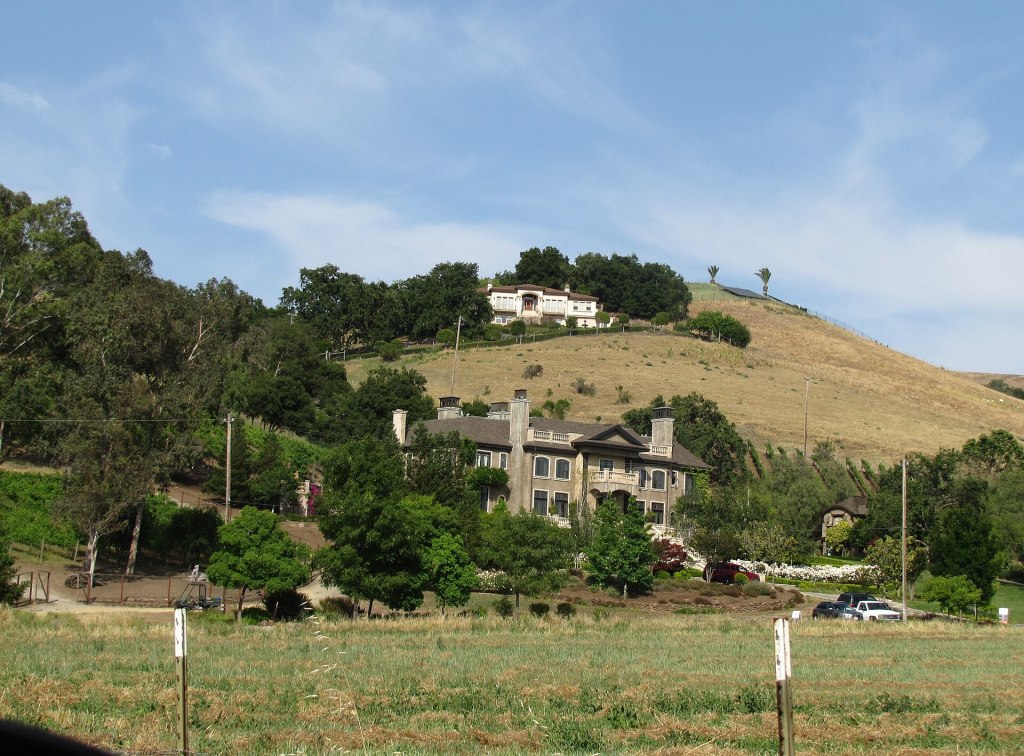
The risk has not gone away. The U.S. Geological Survey’s earthquake outlook for the San Francisco Bay region puts the odds at 72 percent that at least one magnitude 6.7 or larger quake strikes the region before 2043. Closer to home, a magnitude 3.4 quake on the Calaveras Fault this March was centered about five miles northeast of Gilroy and was felt across Morgan Hill and San Martin. No damage was reported, but it was a small nudge from the same fault system that runs along the Diablo Range foothills in the photo above.
There is also fresh news on the insurance side. On September 28, the California Department of Insurance announced that the Governor signed SB 876, the Disaster Recovery Reform Act. Starting January 1, 2027, insurers must have reviewed disaster recovery plans, send status updates when a new adjuster takes over a claim, and face doubled penalties for unfair claims practices during a declared emergency. The law is aimed mostly at home insurance claims, which is a helpful reminder that home coverage and life coverage do very different jobs.
Does Life Insurance Cover Death in an Earthquake or Wildfire?
It is a fair question, and the short answer is generally yes. A standard life insurance policy pays based on the death of the insured, not the cause, and insurers typically do not deny claims just because a natural disaster was involved. The problems that do cause trouble are more ordinary: a policy that lapsed because a payment was missed, wrong information on the application during the first two years, or a beneficiary list that was never updated.
What life insurance does not do is repair a cracked foundation or replace a chimney. That is the role of homeowners and earthquake coverage. Life insurance protects the people: it can pay off a mortgage, replace lost income and keep a child’s plans on track. Both matter, and one cannot stand in for the other.
Life Insurance in Morgan Hill: Why Disaster Planning Includes the Policy
Morgan Hill, Gilroy and south San Jose are full of families with big mortgages and two working parents, often with one or both relying only on coverage through work. As we covered in Is Workplace Life Insurance Enough in the Bay Area?, that coverage usually ends with the job and is rarely enough on its own. After a disaster, jobs and businesses can be disrupted for months, which is exactly when a gap in coverage hurts the most.
Paperwork matters too. After a major quake, important papers can be hard to reach inside a damaged home. The good news is that a lost policy can still be found. Our post on how to search for a loved one’s lost life insurance policy walks through the free regulator tool that has reunited families with billions in benefits.
Five Steps to Earthquake-Ready Life Insurance for South Bay Families
- Add the policy to the go-bag list. Keep the insurer’s name, policy number and agent’s phone number with the earthquake kit, and store a digital copy in a secure cloud folder.
- Check the beneficiaries. The NAIC recommends reviewing beneficiaries every year and after big life events, keeping their contact details current and telling them the policy exists.
- Set up autopay. A lapse is one of the few things that can leave a family with nothing. Automatic payments keep coverage in force even when life gets chaotic.
- Make sure the amount still fits. Bay Area home prices change the math. How Much Life Insurance Is Really Needed? offers a simple framework, and for most families we generally recommend term life, as explained in Term Life vs. Whole Life.
- Choose a carrier built to last. A policy is a promise that may need to be kept decades from now, so financial strength matters. See Why the Industry Giants Are the Safer Choice.
Having a real person to call also makes a difference when things are hectic. After a disaster, nobody wants to sit on hold with a 1-800 number. That is a big part of why we wrote Who’s Your Agent? And working with a local agent costs the same as buying online.
Helpful Resources for California Families
- California Department of Insurance: Life Insurance and Annuities, with consumer guides and the Consumer Hotline at 800-927-4357.
- Great California ShakeOut, with free drill and family preparedness guides.
- USGS Earthquake Outlook for the San Francisco Bay Region, the source for local quake probabilities.
- NAIC guide to life insurance beneficiaries, from the national association of state insurance regulators.
- Life Happens life insurance needs calculator, a free nonprofit tool.
- California Earthquake Authority, for information on earthquake coverage for homes and renters.
The Bottom Line
Loma Prieta showed the South Bay that a quiet October afternoon can change everything in a matter of seconds. Water, flashlights and a plan to meet up are a great start. A life insurance policy that is in force, up to date and easy to find belongs on that same checklist. It is one of the simplest ways to give a family real peace of mind.
So, who’s your agent? If you don’t have one, we’d be happy to help. Families in Morgan Hill, Gilroy, San Jose and across the South Bay can learn more about us, get in touch or request a quote, with no pressure.
Sources: UC Berkeley Seismology Lab, “1989 Loma Prieta Earthquake”; U.S. Geological Survey, “Earthquake Outlook for the San Francisco Bay Region 2014–2043” (Fact Sheet 2016-3020); CBS News Bay Area, March 17, 2026; California Department of Insurance press release, September 28, 2026; NAIC Consumer Insight on beneficiaries; Globe Life. Photo: Diablo Range in Morgan Hill (E. Main) by Cristiano Tomás, CC BY-SA 4.0, via Wikimedia Commons. This post is for general education and is not personalized financial advice.


Leave a Reply